Shading analysis: Calculate shade and yield fully automatically
The autarc shading analysis calculates how much trees, buildings, and the horizon shade a photovoltaic system throughout the year. The result is provided fully automatically as a 3D model, heatmap, and hourly visualization.

How does shading analysis work with autarc?
autarc uses a 3D model to simulate the sun's path throughout the year. This allows you to see how trees, buildings, and other objects shade your PV system and affect the yield of individual modules.
- Create a model: Use a photogrammetry model or add roof structures and other objects directly in autarc.
- Calculate shading: autarc simulates the sun's position and determines the yield losses for each module.
- Use the results: Heatmaps, hourly views, and reports assist you with module layout and string planning.
What features are included?
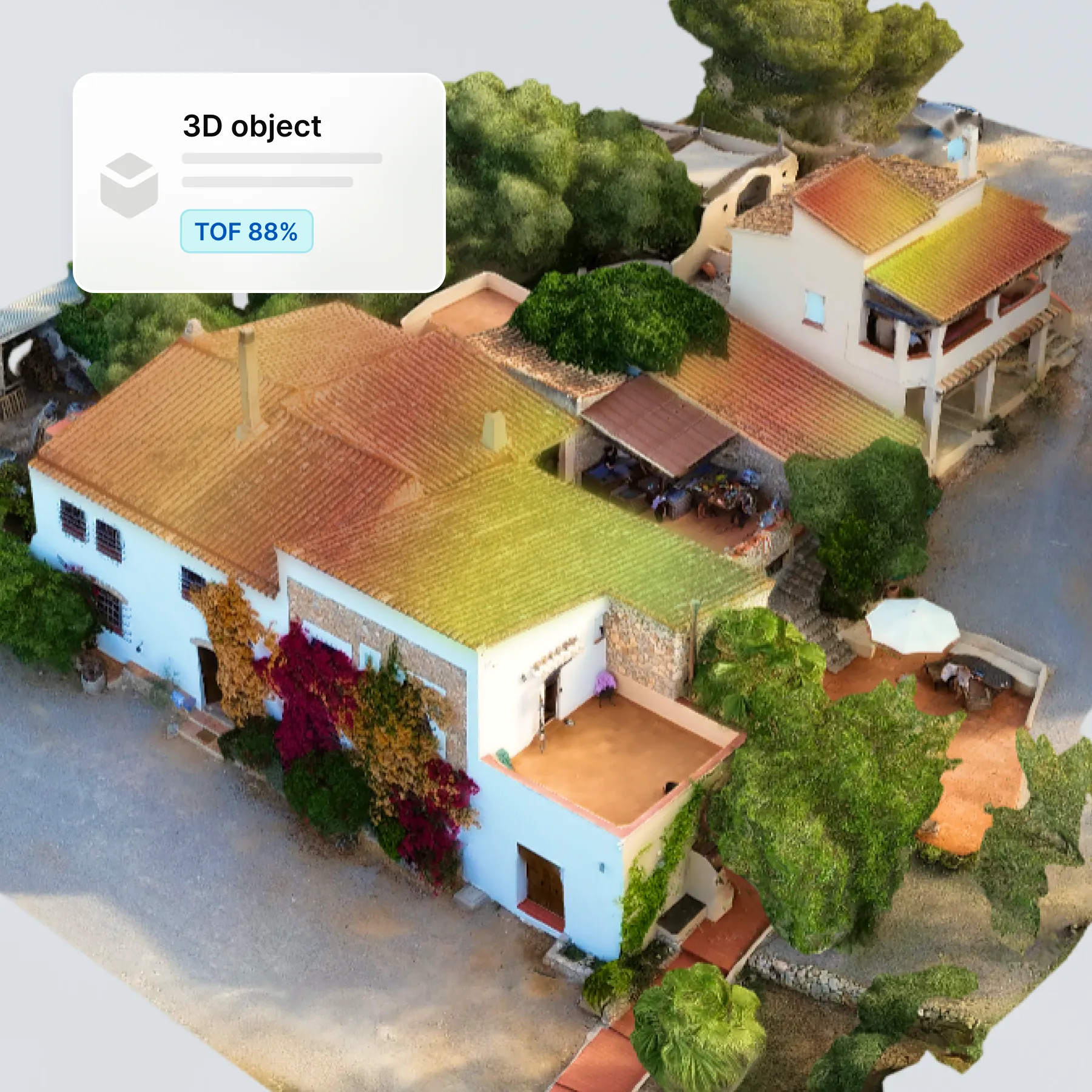
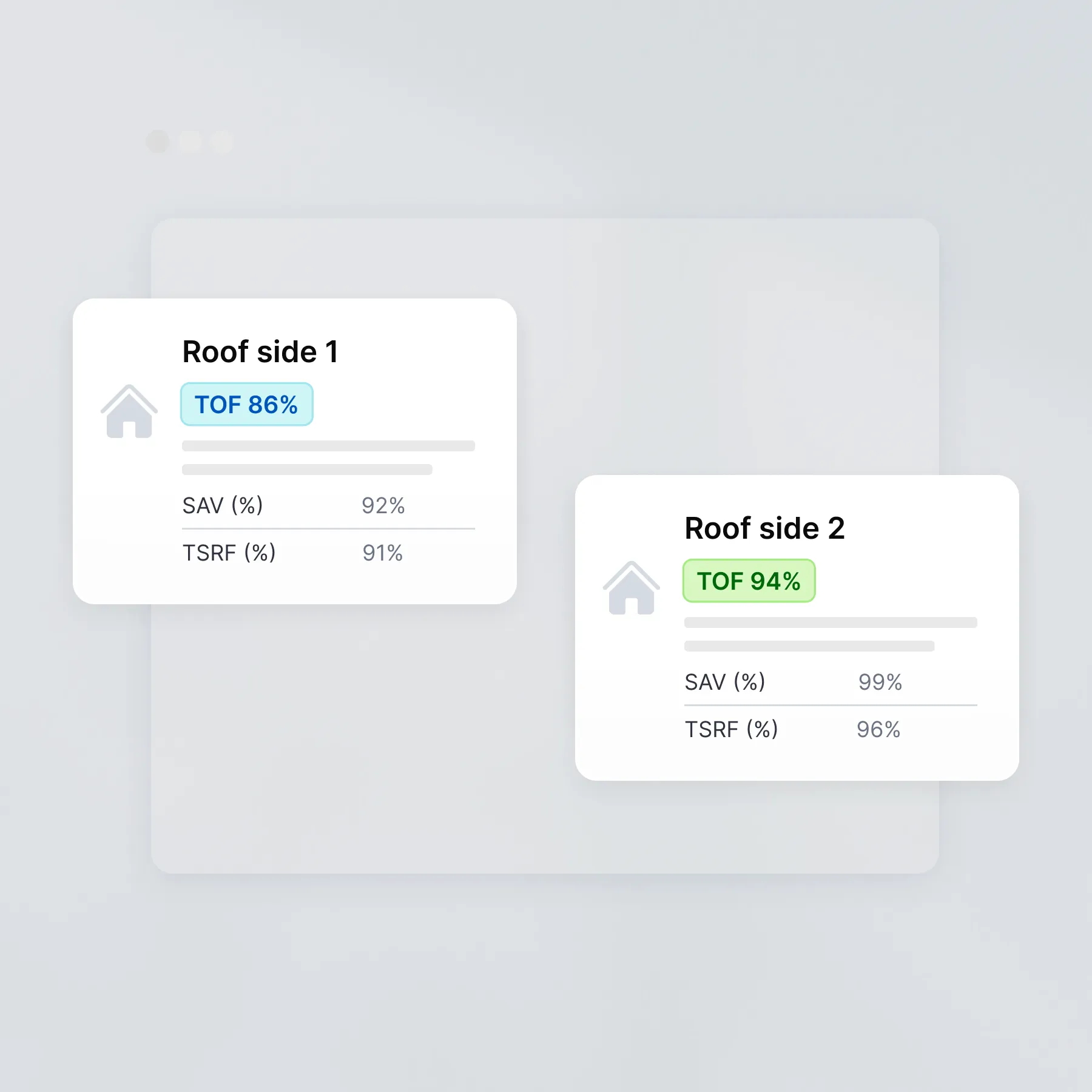
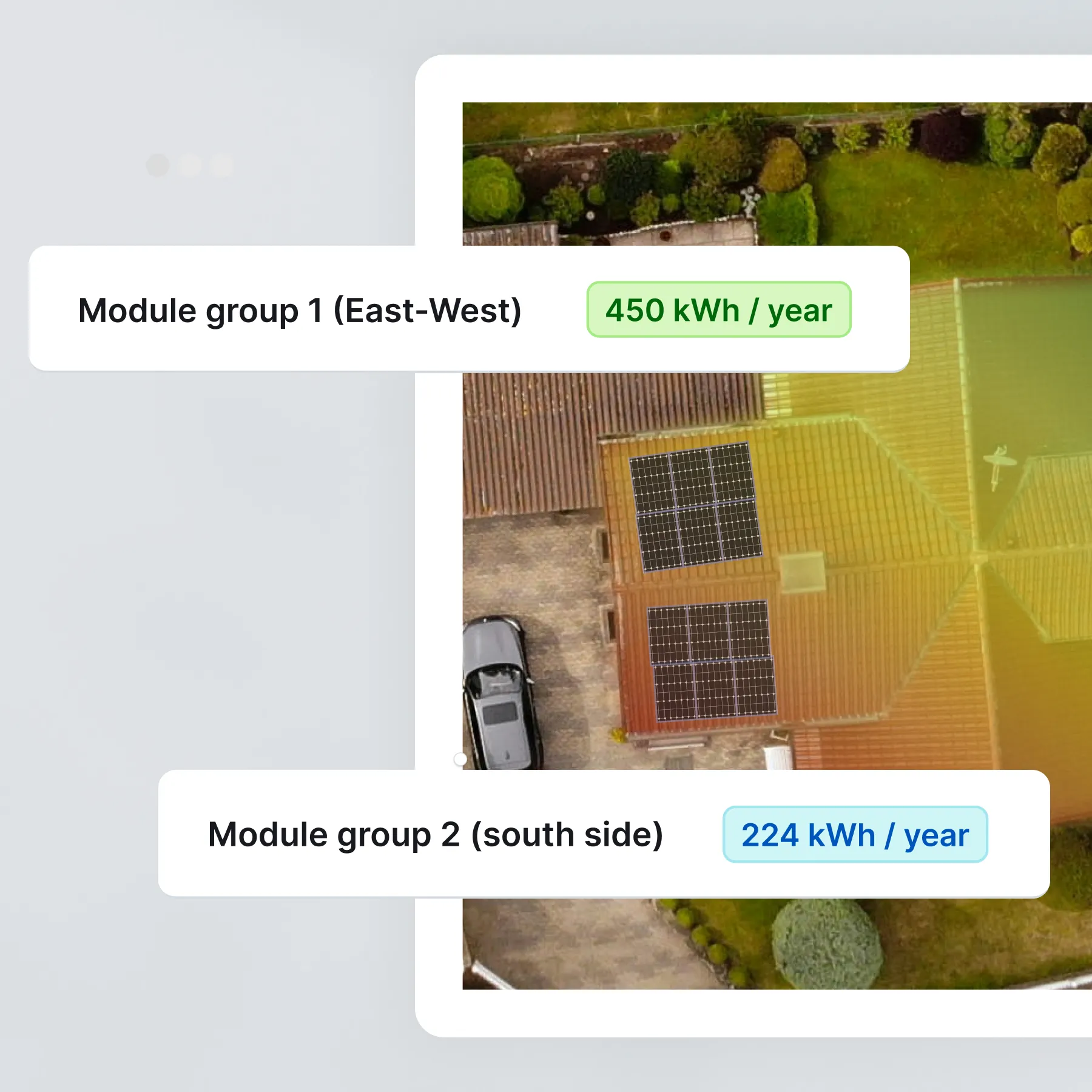
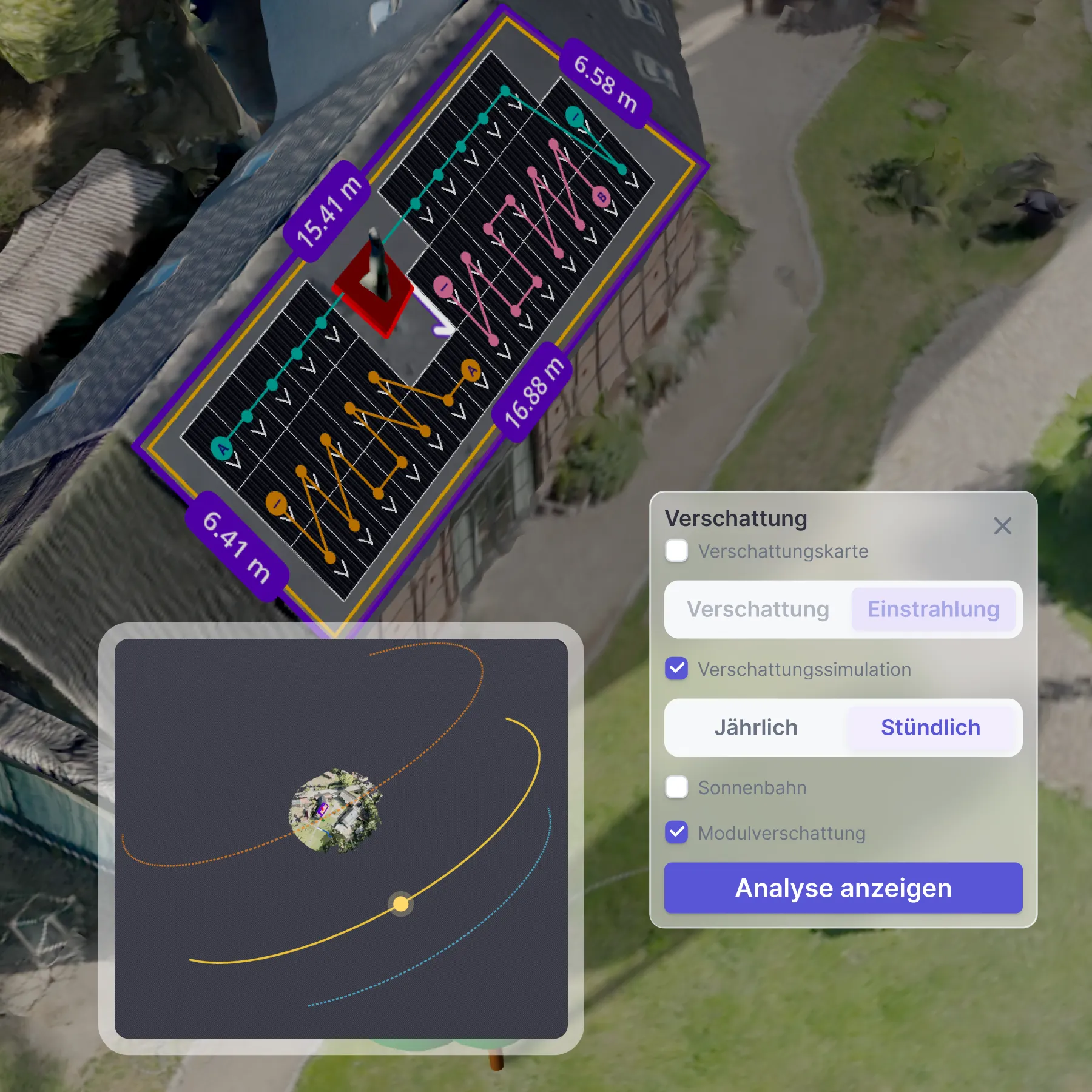
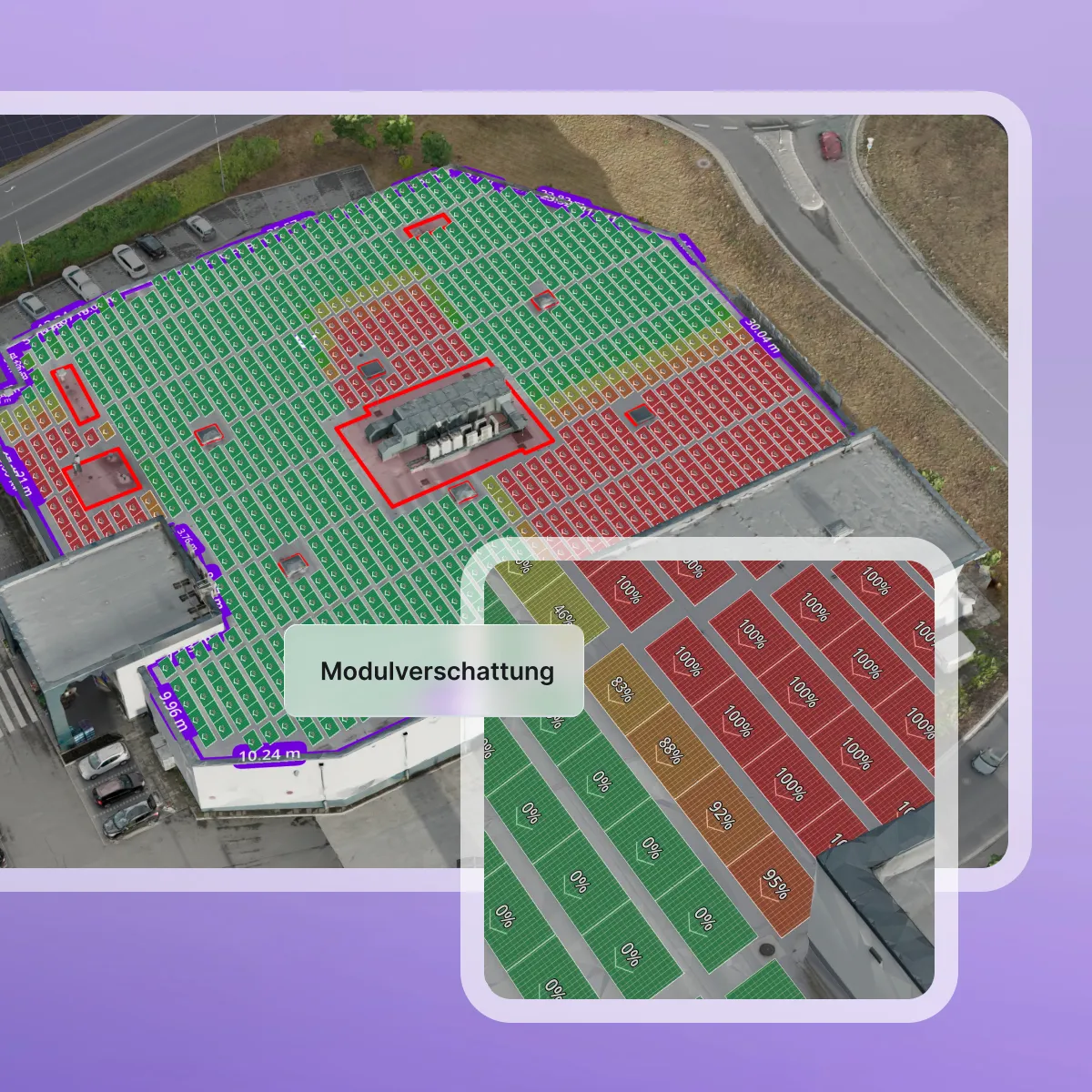
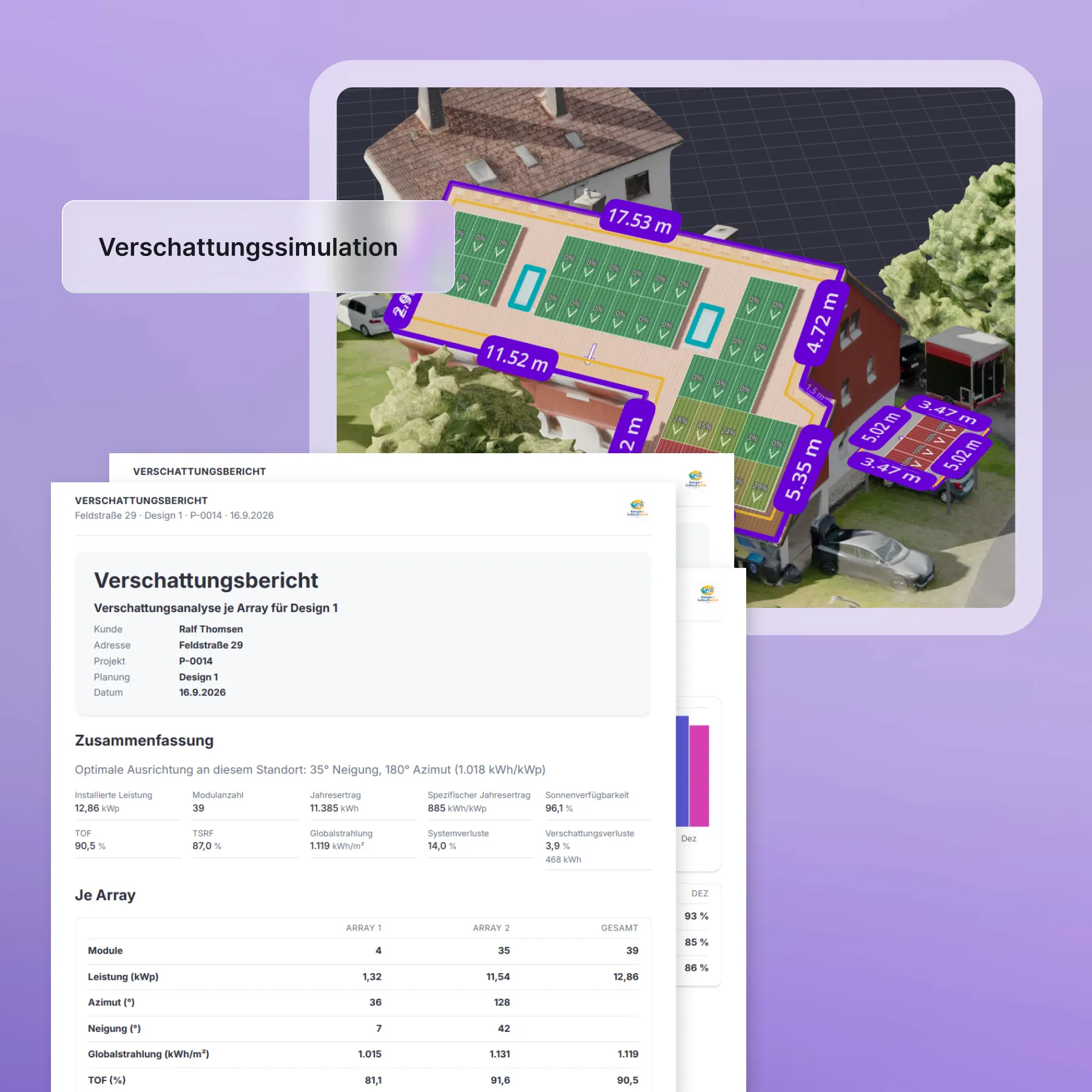

See shading on every roof precisely.
Vorteile der Verschattungsanalyse mit autarc
- Schornsteine oder Bäume können den Jahresertrag um 10 bis 25 % mindern. autarc berechnet den Effekt jedes Elements vorab einzeln.
- Ergebnisse liegen in Sekunden vor, unabhängig von der Anlagengröße.
- Verschattung, Sonnenstand und Sonnenpfad stündlich sichtbar statt einer groben Jahresübersicht.
- Automatisches 3D-Modell aus Photogrammetrie oder Kartendaten.
- Verschattungskarte zeigt Verschattung und Einstrahlung auf einen Blick, ganz ohne Tabellen zu wälzen.
- Verschattungsreport direkt für die Kundenpräsentation nutzbar, ganz ohne Nachbearbeitung.
Shading analysis for precise PV planning

What is a shading analysis in PV planning?
A shading analysis calculates the impact of shadows from buildings, trees, or other obstacles on PV modules throughout the year. It distinguishes between horizon shading and object shading. Based on a 3D roof model, the sun's position and path are simulated hourly to determine shadow casting with hourly precision, serving as the basis for an accurate yield forecast.
How much does shading affect yield?
Since modules in a string are connected in series, even a single shaded module throttles the total output. Bypass diodes limit this loss, but partial shading from chimneys or trees still reduces annual yield by 10 to 25%. Heatmaps and hourly visualizations show the exact impact of objects before construction begins.
Where does the 3D model for the shading analysis come from?
autarc uses a 3D model for shading analysis, which is either derived from existing map data or created via photogrammetry from your own photos. If 3D map data is already available for the address, the capture step is skipped entirely. In both cases, roof objects and trees can be manually adjusted as needed.
How is the shading analysis incorporated into further planning?
The results of the shading analysis form the basis for module layout and system simulation, which calculates the economic yield of the entire installation. This allows solar installers to see which roof areas are economically viable and which are not, even during the proposal phase.

Shading Analysis FAQ
What is a shading analysis for photovoltaic systems?
Can I adjust roof objects and trees myself?
What do the heatmaps in the shading analysis show?
Does the shading analysis work for large systems with many modules?
What data do I need for a shading analysis?
How much does the shading analysis cost?